

0 Likes
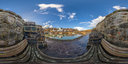
Once a pearl farm in Hong Kong which dated back from 1950′s or earlier. it was deserted for more than 20 years as of 2011.
...
Overview and HistoryHong Kong sits on the south coast of China, on the Pearl River Delta. It's got a population of more than seven million people and is one of the most densely populated places on earth. It also appears to be putting into place the template for population management, which cities around the world will be implementing as soon as they can afford it. More on that later.Archaeological evidence dates human activity beneath present-day Hong Kong back to the stone age. The area was first settled by people from the mainland during the Han dynasty, around the beginning of the common era (the P.C. term for when B.C. changed to A.D. Whoa!)For hundreds of years, Hong Kong was a small fishing community and haven for travelers, with a few pirates here and there. Then whitey showed up.Western influence reached China at the beginning of the 15th century, when all those great explorers in boats were cruising for loot in strange and mysterious places. Tea and silk were the commodities connecting eastern Europe to China, and Hong Kong was known as a safe harbor through which to pass. When you're carrying the Queen's tea, it's especially important to avoid ARRRRRRguments with pirates. Hyuk hyuk hyuk.Seriously folks -- in the eighteenth century Britain was doing a booming business with China, offering Indian opium to balance their extensive purchases of fine porcelains and everything else. The opium was ordained to be for medicinal purposes only, of course.Well, as you may imagine, the Chinese got sick of opium fiends junking up the place, so they attempted to stop the British suppliers, to no avail. The Opium Wars resulted and ended with China ceding Hong Kong to the British, in fear of their massive naval power. This took place in the year 1841.Colonization soon followed, Hong Kong shot up in value as an international port, and its population increased dramatically. In 1898 Britain acquired additional territories on a 99 year lease -- expiring in 1997. Does that year sound familiar? Read on.In the 20th century Hong Kong changed hands several times. The British surrendered it to Japan during World War Two, then took it back after Japan's defeat, then gave it to China later. Immediately following the war, Hong Kong served as a safe haven for hundreds of thousands of Chinese refugees, while the Chinese National Government was losing its civil war against communist leadership.The population of Hong Kong exploded as corporations seeking to escape Chinese isolationism arrived and set up shop. Cheap labor in the textile and manufacturing industries steadily built up the economy and ensured foreign investment. By the end of the 20th century Hong Kong had become a financial mammoth offering banking services to the world.In 1997 Hong Kong returned to Chinese rule with a few stipulations in place to guarantee its economic autonomy, as much as possible. The phrase "one country, two systems" was coined by the Chinese to describe the relationship between the mainland and Hong Kong.Getting ThereWell, where do you want to get to from the Hong Kong International Airport? There are ferries servicing six mainland ports in the Pearl River Delta Region. Airport Express Railway connects directly to downtown Hong Kong, and it has been rated the best airport in the world multiple times.The Airport Express Railway will get you into Hong Kong in about an hour, for $100. Public buses cost $10 and take a little longer. For direct service to your hotel you can take one of the hotel's private buses ($120+) or a taxi ($300+). As you can see, waiting time is optional for those who can afford it.Here's a little blurb on travel times, with further information for access to nearby cities (cross-boundary transport).TransportationGrab an Octopus card when you arrive. Octopus is the world's first electronic ticket-fare card system and the Hong Kong public transportation system is the world leader in people-moving. 90% of Hong Kongers get around on public transportation.Octopus covers the Airport Rail line, buses, ferries, the rapid-transit MTR network, supermarkets, fast food outlets, phone booths... It's how to get around the cashless economy.Nevermind the microchip built into it, you'll get used to having one of those on you at all times -- and soon they'll be internal! What do I mean? Many schools in Hong Kong even use the Octopus card to check attendance, because you read the card's data with an external scanner from a distance. This will the global norm soon. What if that chip is installed in your body? It's in the works baby!The hilly Hong Kong terrain also demands some special modes of transportation. If you've been to Pittsburgh, you may have some idea of how cool it is to ride a cable car up the side of a mountain, overlooking a majestic harbor and city. Multiply that by about ten thousand and you've got Hong Kong: vertical-travel trams, moving sidewalks, and the world's longest outdoor escalator system.People and CultureThe local currency is the Hong Kong dollar (HKD) which is pegged to the U.S. dollar. Official languages are Chinese and English. You're on your own, baby! Dive into the swarming, throbbing, pulsing, crawling and teeming mix!Things to do & RecommendationsThe Peak Tower and its shopping Galleria are the biggest tourist attraction in Hong Kong so don't miss it.Cool off in the Kowloon Park public indoor swimming pool!After that, go see what's happening at the Hong Kong Fringe Club, a non-profit organisation which puts together exhibitions for international artists and performers.Organize sports fans flock to the Hong Kong Stadium, but there's good news for disorganized sportistas too -- Mountain biking is now legal in the parks! Have at it, baby!All this excitement is going to make you hungry. Springtime is traditionally the time to celebrate seafood, summer is for fruits, and winter steams with hot pot soups to keep you warm.The best thing to do is go and find some dim sum. Dozens of plates of tasty small items, sort of like sushi but it's cooked, and the varieties are endless.Since you won't be able to walk down the street without complete and total sensory overload, I'll just whap in the Hong Kong tourist board's guide to dining and leave you to your intuition.Good luck, take it slow and above all -- DON'T SPIT OUT YOUR CHEWING GUM ON THE SIDEWALK. Gum is legal but there's a $500 fine for intentional littering. Enjoy!Text by Steve Smith.