

0 Likes
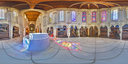
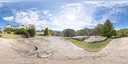
Looking at Saint Andrew's Presbyterian Church, one of Suva's oldest surviving wooden structures. The church's origins trace back to a pivotal meeting on January 16, 1883, where a small self-appointed committee gathered in the Suva schoolhouse to deliberate the establishment of a Presbyterian place of worship in the town. In a remarkable eight months, on September 23, 1883, the inaugural service was held in the new church. Unfortunately, the original building fell victim to a cyclone that struck Suva on January 5, 1895.
Undeterred, the resilient congregation rallied to reconstruct, and by April 1895, the present wooden church graced Suva once again. Designated a Heritage Building by the National Trust of Fiji, Saint Andrew's is a cherished piece of Suva's architectural legacy.
A noteworthy addition to the church's history is the installation of its first pipe organ in 1908 - a New Zealand craft organ commemorating the church's 25th anniversary. Costing 470 pounds, this musical treasure served the congregation for 80 years before restoration became necessary. In a unique decision, Saint Andrew's opted to retain a manual pipe organ, distinguishing itself from other churches in Suva.
Constructed entirely of wood, the church boasts a distinctive design reminiscent of rural churches abroad. Beyond its architectural significance, Saint Andrew's Presbyterian Church held a pivotal role in the social fabric of Suva, serving as a meeting and entertainment hub for the early European settlers in 1885.
From: https://www.gpsmycity.com/attractions/st-andrews-presbyterian-church-43023.html
...





Fiji is one of the larger island groups in the South Pacific ocean with over 332 islands and a total land area of around 18,000 square kilometres. The island group is dominated by two large islands, Viti Levu (the main island) and Vanua Levu (to the NE).The geography is mostly volcanic being formed around 150 million years ago. There is still some geothermal activity in Vanua Levu near Savusavu and on the island of Taveuni.The Population of Fiji is approximately 850,000 most of which live on the two main islands. Three languages are spoken: Fijian, Fiji Hindi and English. The capital city is Suva on the island Viti Levu.The main international airport is located near Nadi town on the western side of Viti Levu and this is where the majority of the hotels and resorts are located. Popular regions to visit include the Mamanuca and Yasawa Islands and the Coral Coast (South side of Viti Levu).