

0 Likes
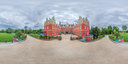
We are looking at the Jerusalem Archeological Garden excavation of the area know as the "Southern Wall". It is the area of the Old City of Jerusalem, just south of the "Western Wall (The Kotel HaMa'aravi), in fact, sharing the same wall as The Kotel. However, here archeologists have excavated to the street level of the 2nd Temple Period, approximately 2000 years ago. As you look north, you see a stone wall, the top of which is the floor level of the Western Wall Plaza. Just in front of that wall is the Masorati Prayer Area, an alternate space for prayers and ceremonies at the Wall. The shared southern and western walls form part of the retaining wall of the Temple Mount as expanded by Herod "The Great" in the 1st century BCE. As you rotate to the right you'll see the remains of one of Jerusalem's main streets at that time. There was a market here for buying animals for sacrifices and other goods. On the wall you see the remains of "Robinson's Arch", the supporting arch of one of the entryways to the Temple Mount. Notice the different stones used in the construction of the wall. The lowest layer, and largest stones, are the original Herodian era stones, and as you go up the stones get smaller and newer. Past the corner of the wall, to the right, are the remains of Ummayad era palaces, with their large even stones. In the excavations in this area you can also see ancient Mikva'ot, ritual baths where Jews visiting the Temple would purify themselves before ascending. This area is part of the Davidson Center Southern Wall excavations which also includes the steps to the temple, a visitors' center and numerous finds from different periods of history.
Modern civilization began right here in the Tigris-Euphrates river valley. Also known as the Fertile Crescent or Mesopotamia, this is the place where, six thousand years ago, agriculture, writing and mathematics were brought into widespread use.The term "Middle East" comes from the British navy, which used it to describe the countries on the trade route from Europe to India and China. Everything from Afghanistan to Morocco may possibly be classified as "middle eastern", depending on whom you ask -- and when.Only a partial list of past Empires in the middle eastern territory includes Sumeria, Babylonia, Persia, the Ottoman Empire and the Roman Empire!When northern Europe was still lurking about in slimy cold stone castles playing chess, the Middle East was enjoying the flowers of poetry, luxurious craftsmanship, music and literature. In fact, the Renaissance in Europe was partly inspired by stories brought back from the middle east by travelers along the trade route.Strategic location, religious history and the world's largest supply of crude oil have kept the Middle East at the center of world activity for centuries. The saga continues.Text by Steve Smith.